
Getting Hired
Top Tips for Landing Your First Yachting Job
In short
To land a first yacht job: get your STCW and ENG1, build a one-page yachting CV, base yourself in a yachting port in season, dockwalk early with a great attitude, and say yes to daywork — it often becomes permanent.
To land your first yachting job you need five things: STCW and an ENG1, a one-page yachting CV, a base in a yachting port in season, early-morning dockwalking, and a yes to daywork. Timing matters too, because Flying Fish says crew “start looking for work anytime between February and May” (checked 9 October 2026), so aim to be ready before then.
Breaking into yachting comes down to a handful of things done well and consistently. Here are the five that matter most - or see our complete deckhand and stewardess guides for the full picture role by role.
1. What do I need to get done first?
You can't be hired without your STCW Basic Safety Training and an ENG1 medical. Sort these before you spend on anything else.
2. What should a yachting CV look like?
One page, photo top-right, clean and skimmable. Captains spend seconds on each one — make yours easy to say yes to.
Not sure yet if this is the right move for you?
Book a free discovery call
“It never felt like a course or a programme — it felt like having someone in your corner who genuinely cared about where you ended up. Nick showed me I already had more to offer than I thought. Six months later I was a deckhand. I’ve sailed to Fiji. I’m 19.” — Freddie MHospitality → Deckhand · sailed to Fiji · age 19
3. Where should I base myself?
Seasons and ports matter. Antibes and Palma in spring; Fort Lauderdale in autumn (our Mediterranean vs Caribbean season guide has the detail). Being on the ground, ready to start tomorrow, beats applying from the other side of the world.
4. How do I dockwalk well?
Early mornings, smart presentation, a stack of CVs and a genuine, humble attitude - our dockwalking guide covers exactly how. Build a reputation as reliable and keen.
5. Why should I say yes to daywork?
Temporary jobs are how you get experience, references and that crucial first 'green light' from a captain — they very often turn into permanent roles.
Do the unglamorous things well and consistently, and the first job comes. After that, you're away laughing - and if you want a hand with any of it, that's what our programme is for. Wondering what the first job pays? Our superyacht salary guide breaks it down by role.
Thinking about a career on superyachts?
If you want to talk through your options — no pressure, just an honest conversation about what's possible — get in touch.
Book a discovery call →Prefer email? Get in touch directly.
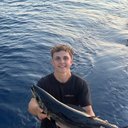
“He wanted to make the most of his gap year — not the ordinary version of it. Three months later he’s working on multi-million dollar yachts in the Med, watching the sun set over the Balearic Sea, living a life most people only dream about.” — Antoni MHigh school → full-time in Palma · age 19

Nick studied at university in Dunedin before finding his way onto superyachts with zero prior experience and sailing around the world. He's worked in recruitment and education, watched good candidates get overlooked for doing the wrong training in the wrong ports, and now coaches young Kiwis through the same journey: honest, one-on-one and industry-backed.