Complete Guide
How to Become a Superyacht Deckhand from New Zealand
In short
Becoming a superyacht deckhand from New Zealand takes two certificates - STCW and an ENG1 medical - a one-page yachting CV, and being in the right port at the right time. Entry-level deckhands earn roughly USD $3,000 to $3,800 a month tax-free, with food, travel and accommodation covered on top.
If you're a New Zealander weighing up a superyacht deckhand job against university, a trade or the usual post-school options, this page pulls together everything we've written on the subject into one place - what the job is, what it pays, and exactly how to land it.
What a deckhand actually does
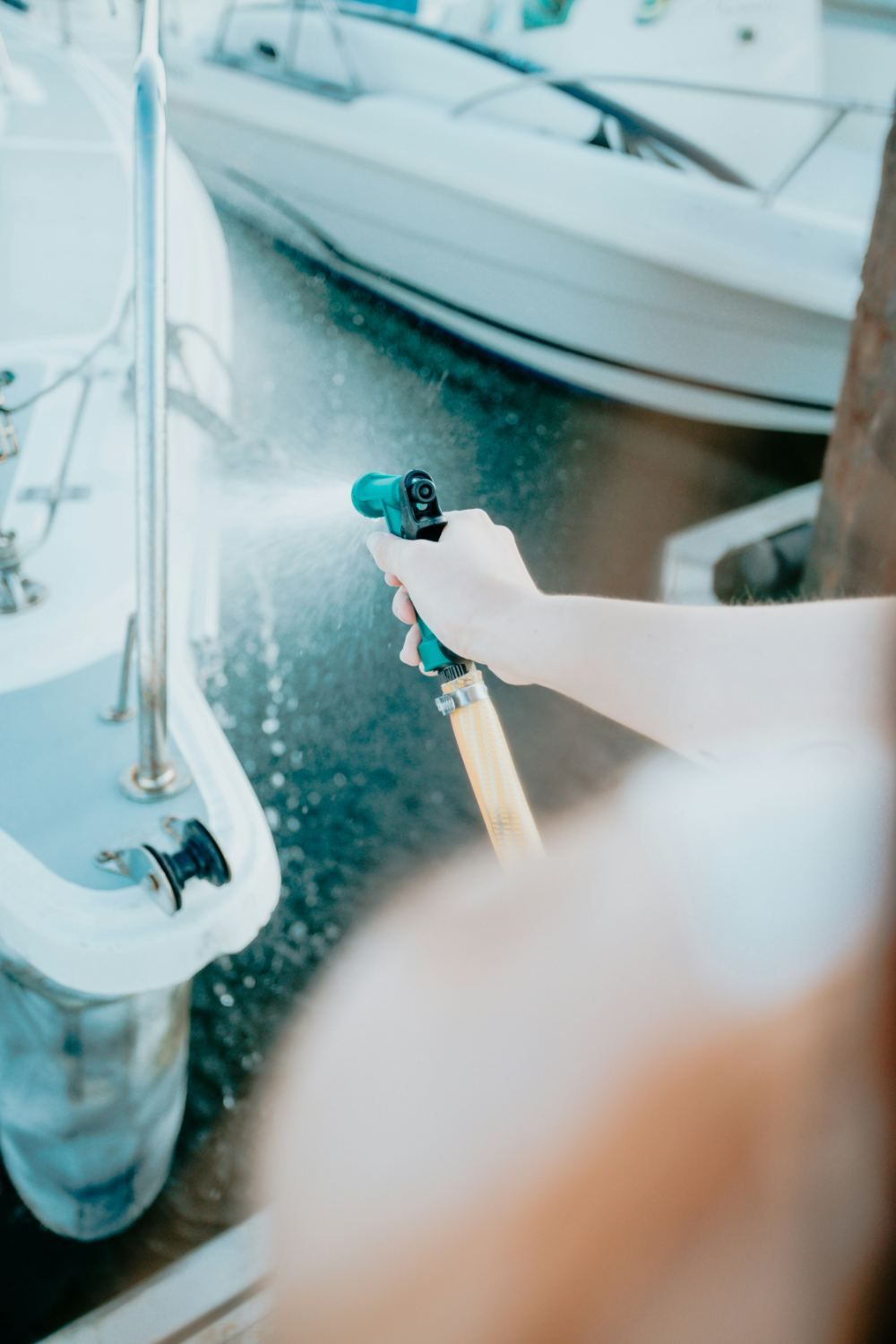
Deckhand is the classic entry point into yachting: exterior maintenance, washdowns, tenders and watersports, lines and anchoring. It's hands-on and outdoorsy, and it's the role most first-time Kiwi crew start in - see our full breakdown of every entry-level role if you're still deciding between deckhand and something else, like steward/ess.
The two certificates you need
You need exactly two things before any boat can hire you: an STCW Basic Safety Training (about a week, roughly NZD $1,600 to $2,200) and an ENG1 seafarer medical (roughly NZD $350 to $450). Everything else - Powerboat Level 2, watersports tickets - is optional and can wait until a role asks for it. Our full STCW and ENG1 guide covers how to book both in New Zealand and what to expect on the day.
What it actually pays
Entry-level deckhands typically start on USD $3,000 to $3,800 a month, before tips - and charter tips can add USD $1,000 to $3,000 per crew member in a single good week. Pay scales with the size of yacht and with experience: a deckhand with two seasons and a Yachtmaster ticket moves toward USD $4,500 to $5,500, and lead deckhands and bosuns clear $5,000 to $6,500. Food, cabin and uniform are covered throughout, so most of that pay is straight savings. The full numbers, including how tipping actually works and a real first-season savings example, are in our superyacht salary guide.
Not sure yet if this is the right move for you?
Book a free discovery callWhy Kiwis do well at this
Captains specifically rate New Zealand crew for a practical, no-entitlement attitude - if you've grown up around boats, the outdoors, trades or hospitality, you likely already have more transferable skill than you realise. See why superyachts love hiring Kiwis for the full picture.
How to actually get hired
Once your certificates are sorted, getting hired comes down to being in the right port in season, having a clean one-page CV, and dockwalking - turning up at the marinas in person, dressed right, CV in hand. March to May is the best window of the year, as Antibes and Palma fill with boats fitting out for the Mediterranean summer season. Our top tips for landing your first yachting job covers all five pieces together.
Once you're in
Cabin space is tiny and shared, so pack light - see what to actually pack for your first season before you fly. And if you'd rather not work all of this out alone, our 5-phase coaching programme takes you through discovery, certification, CV and job search, and stays with you after you land the role.
Ready to take the first step?
Book a free discovery call and we'll be honest about whether deckhand work is the right move for you.
Let's talk
Nick studied at university in Dunedin before finding his way onto superyachts with zero prior experience and sailing around the world. He's worked in recruitment and education, watched good candidates get overlooked for doing the wrong training in the wrong ports, and now coaches young Kiwis through the same journey: honest, one-on-one and industry-backed.